
Latest thinking on international growth
Practical perspectives on entering new markets, building successful distributor relationships and developing profitable international businesses.
Browse by topic
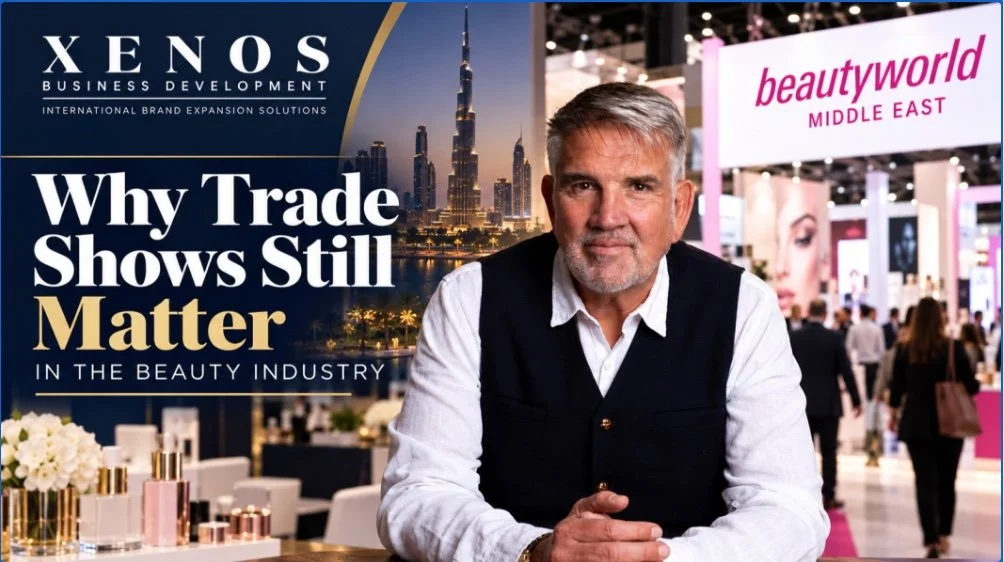
Why Trade Shows Still Matter in Beauty — And Why I Still Go
Are trade shows still relevant in the age of TikTok, Instagram and LinkedIn?
I believe they are — perhaps more than ever.
Digital media has completely changed how beauty brands are discovered and how consumers engage with them. But when it comes to building international distribution, meeting retailers and creating genuine commercial relationships, face-to-face still matters.
Having spent much of my career developing beauty and personal care brands across international markets, I’ve seen first-hand what can happen when you get the right people in the same room.
With Beautyworld Middle East coming up, it seemed like a good time to look at why trade shows continue to play such an important role in both retail and professional beauty — and why simply having a stand isn't enough.
The real value isn't the stand. It's the conversations that happen around it.

Buying a Brand Is Easy. Integrating It Is the Hard Part.
Buying a brand is a financial transaction. Integrating one is a commercial, organizational, and cultural test.
Everyone celebrates when the deal is signed and the press release goes live. But the real work begins on Day Two—when you have to decide what to change, what to protect, and what to leave completely alone.
Having spent years on the operating side of acquisitions—integrating brands like BSN and Nutramino at Glanbia, Waterpik at Church & Dwight, and watching Wella, a company I worked at for 11 years as it evolved under different ownership—I’ve learned that the spreadsheet rarely tells you the full story.
It won't tell you: → Which key people hold the customer relationships together → Which unique cultural quirks actually drive the brand's performance → Which processes are essential value-drivers vs. historical baggage
The objective of an acquisition isn't uniformity; it’s value creation. There is no prize for making an acquired company look identical to the parent business.
In my latest article, I unpack the 5 key operational pillars every leader should evaluate before integrating an acquisition—and why knowing what not to touch is often the smartest move you can make.
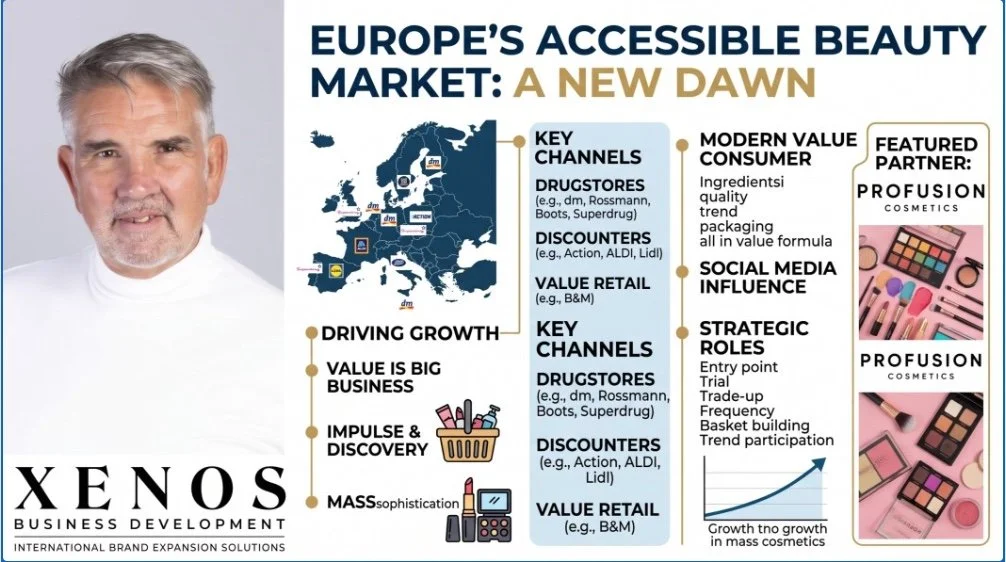
Europe’s Budget Cosmetics Market: Why Value Is Becoming Big Business
Europe’s beauty market is changing. Alongside premium brands and traditional beauty retailers, discount stores and drugstores are creating a huge market for affordable, trend-led cosmetics. From Action, NORMAL, ALDI and Lidl to dm, Rossmann, Boots, Superdrug and B&M, accessible beauty is becoming increasingly mainstream. Drawing on my experience working with international beauty brands, including Profusion Cosmetics, a client of Xenos Business Development, I explore why “budget beauty” is about much more than low prices — and why the right retail strategy could unlock significant international growth.
How Brazilian Beauty Is Capturing the Global Cosmetics Market
For decades, the global personal care space looked to French luxury skincare, American direct-to-consumer tech, and K-beauty innovation for direction. Today, "B-Beauty" (Brazilian Beauty) has transitioned from a localized phenomenon into one of the fastest-growing forces in the global cosmetics market.
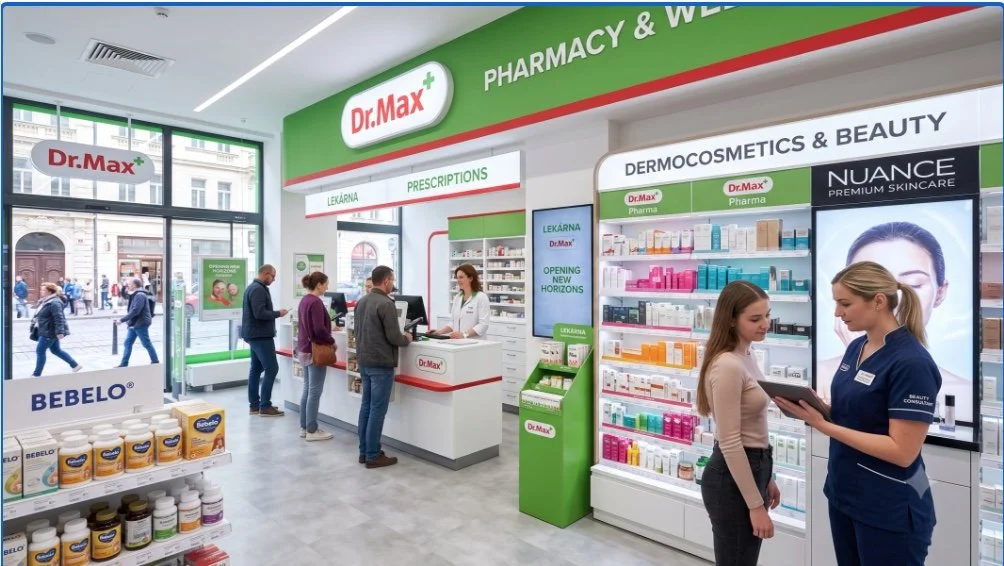
The Masterclass in Vertical Integration: How Dr. Max Conquered the European Pharmacy Sector
For me exploring the journey of Dr.Max, the largest pharmacy chain in Europe by outlet numbers, has been fascinating. I have observed their impressive growth over the years, both during my tenure at Church & Dwight Co., Inc. and through my own venture, Xenos Business Development Ltd.
Their strategies in retail and healthcare, particularly in vertical integration and dermocosmetics, showcase innovative approaches to business growth. The evolution of their supply chain and pharma retail practices is noteworthy in the context of the European market.
I invite you to take a look at my article for deeper insights into Dr.Max's success and the implications for the industry.
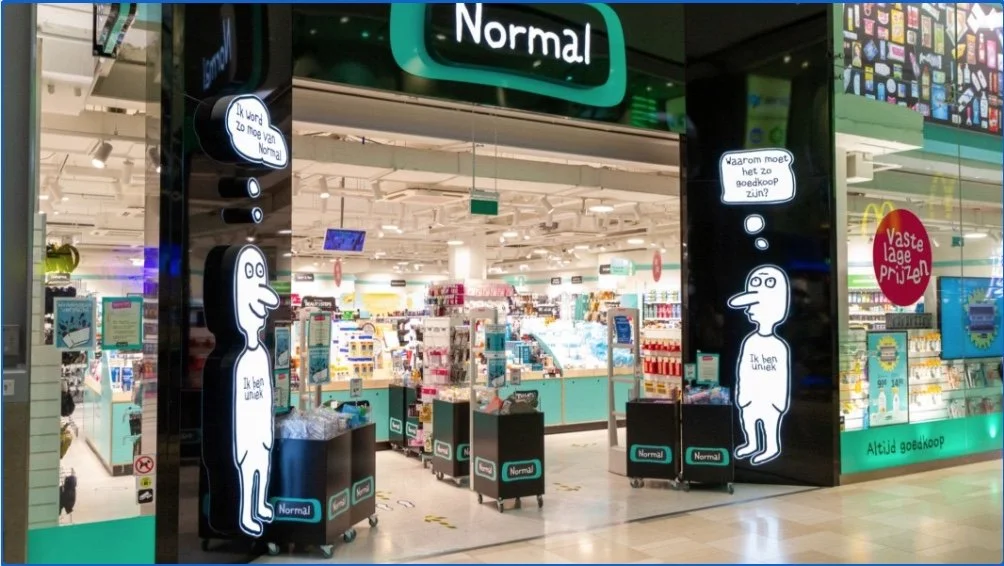
Why Being "Normal" is the Most Extraordinary Strategy in Retail Right Now
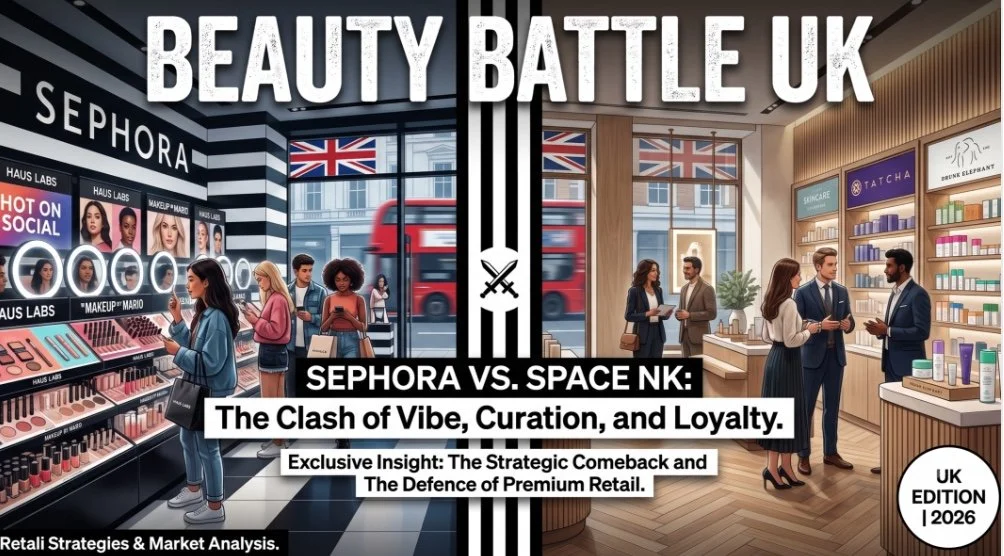
The Battle for British Beauty: Inside Sephora’s Aggressive UK Comeback vs. Space NK’s Premium Dominance
When Sephora retreated from the UK in 2005, homegrown giant Space NK quietly perfected the high-street premium beauty experience. Now, Sephora is back with an aggressive nationwide expansion—and the gloves are off.
But this isn't just a fight over shelf space; it’s a clash of two entirely
different business models:
Sephora:
High-octane, TikTok-trending "beauty playgrounds" engineered for
self-directed Gen-Z exploration.
Space
NK: Chic, low-friction boutique spaces anchored by expert, brand-agnostic
consultation.
Can
global scale and viral hype permanently unseat deep-rooted local loyalty?
Read
my full breakdown of the retail strategies, consumer psychographics, and
loyalty structures shaping the UK's multi-billion-pound beauty market.